From Youth Development to a Potential Space Mission: OculloSpace Singapore Supports Bahrain Youth City 2030
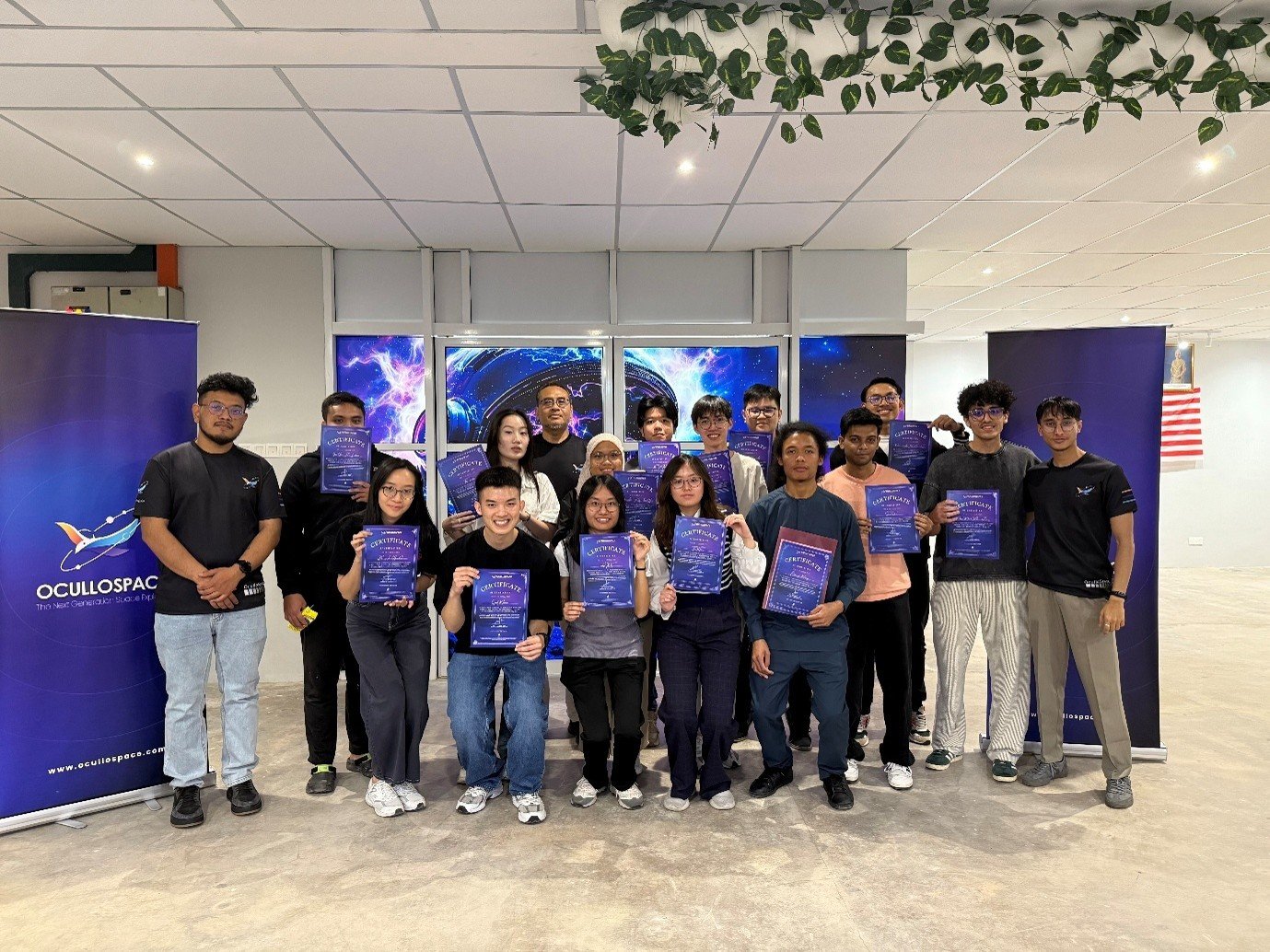
195 applicants. 15 selected participants. One ambitious journey from technical education towards a potential mission in space.
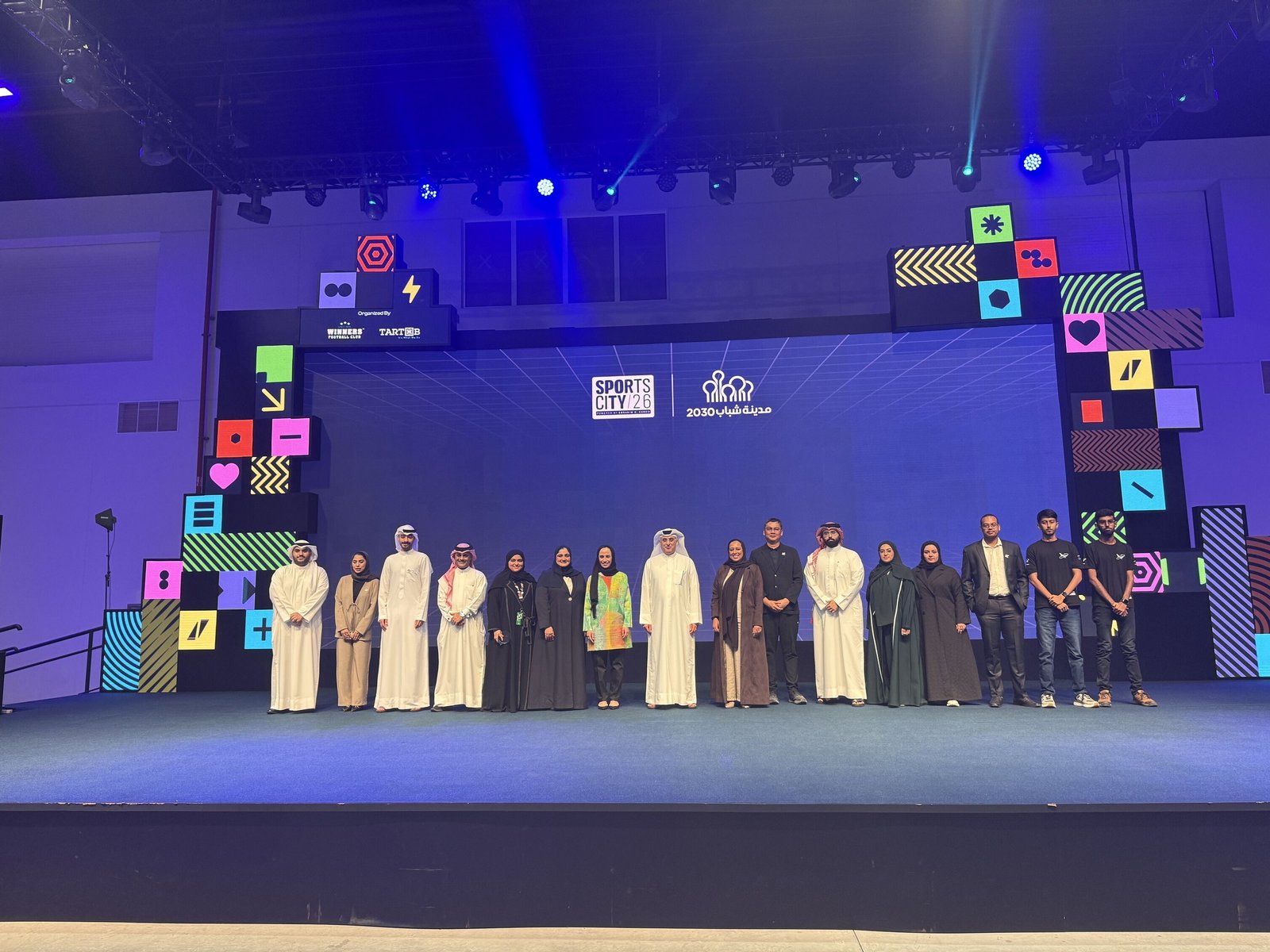
OculloSpace Singapore is supporting Bahrain Youth City 2030 through a dedicated space technology education and mission-development initiative in collaboration with the Ministry of Youth Affairs, Kingdom of Bahrain, and the Bahrain Space Agency (BSA).
This initiative is designed to give young Bahrainis practical exposure to satellite engineering, space technology and real-world mission development, while building the knowledge, technical capabilities and teamwork required to progress beyond the classroom.
More importantly, the programme is designed around an intended pathway towards a potential real PocketQube satellite mission.
195 Applications. 15 Selected.
The programme attracted 195 applications from young Bahrainis aged 18 to 35.
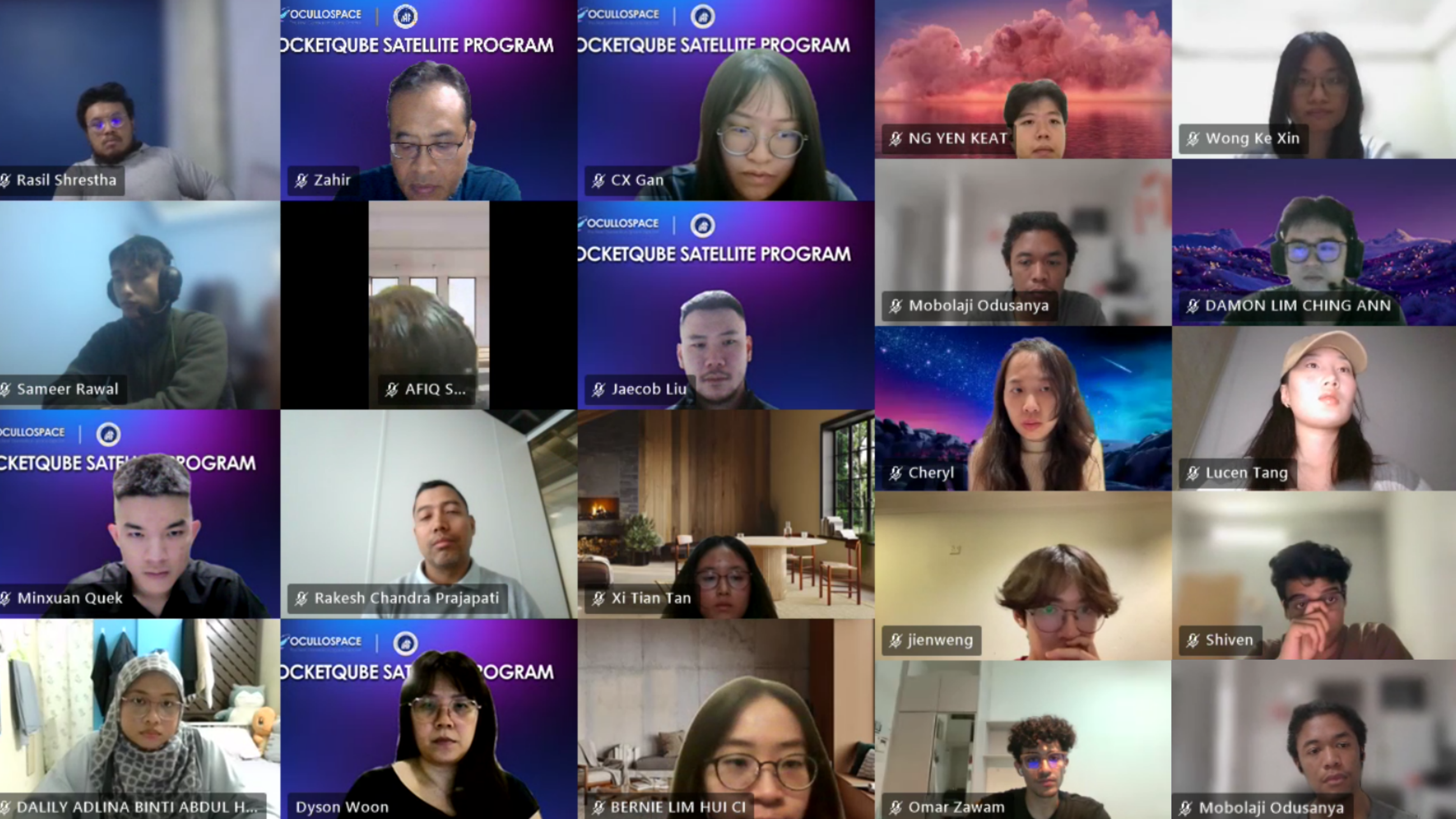
Following a competitive, multi-stage selection and assessment process, 15 participants were selected to participate in the CubeSat Gen 3 Educational Training Programme. The selection processes assessed academic and STEM background, technical aptitude, problem-solving ability, innovation, communication, teamwork, commitment and potential contribution to a real space mission.
Learning Space Technology Through Practical Engineering
The CubeSat Gen 3 Educational Training Programme provides participants with theoretical and practical exposure to key areas of spacecraft and mission development.
The programme covers:
• Space systems engineering
• Cubesat and PocketQube architecture
• Satellite mission design
• Electrical and electronic systems
• Embedded systems and onboard computing
• Communications and telemetry
• Power systems
• Attitude determination and control concepts
• Mission operations
• Assembly, integration and testing
• Space mission development and launch preparation
The programme is intentionally structured around hands-on learning, teamwork, engineering problem-solving and mission-oriented activities, rather than theoretical instruction alone.
From Youth City to Space
A defining feature of the initiative is its intended progression beyond training.
The pathway connects youth development with practical space engineering:
Bahrain Youth City 2030
↓
Participant Selection
↓
CubeSat Gen 3 Educational Training
↓
Mission Team Development
↓
PocketQube Development
↓
Assembly & Integration
↓
Testing & Qualification
↓
Launch Preparation
↓
Potential Space Mission
Participants who demonstrate the required technical competency, teamwork and commitment may subsequently be selected to participate in appropriate stages of the actual mission.
Towards a Potential PocketQube Mission
OculloSpace Singapore is working with the Bahrain Space Agency towards the development of a PocketQube satellite mission involving Bahraini Youth.
The current programme objective is to target a SpaceX launch opportunity by 2028, subject to successful mission development, technical qualification, regulatory approvals, launch-provider arrangements and the availability of a suitable launch opportunity.
If successfully developed and launched, the mission would represent an important progression from youth development and STEM education to practical spacecraft engineering and spaceflight activities.
Developing the Next Generation of Space Talent
For OculloSpace Singapore, the initiative reflects a broader commitment to developing the capabilities and confidence required for young people to participate in the future space economy.
Through exposure to professional engineering processes, system integration, testing and mission preparation, participants are being introduced to the broader space technology, engineering and launch ecosystem.
From Learning to a Potential Mission
The journey begins with an opportunity to learn.
It continues through engineering, teamwork, testing and mission development.
And, subject to successful completion of the required technical, regulatory and launch processes, it could ultimately lead to a mission in orbit.